For over two decades, SEO has been a cornerstone of every brand’s organic marketing strategy (and if it wasn’t, it definitely should have been). As people do though, for nearly as long, we’ve been predicting its death.
Every major algorithm update brought a fresh wave of eulogies. Panda. Penguin. Knowledge Graph. Featured Snippets. Voice search. Each one was supposed to finally kill SEO… but none of them did.
2026 feels different. And honestly? The concern is more legitimate this time.
Organic traffic is down. AI Overviews are eating clicks. ChatGPT is handling billions of queries that used to go straight to Google. Zero-click searches now account for roughly 60% of all searches (that number’s climbing to 77% on mobile). These aren’t small tremors. This is structural.
So let’s actually answer the question everyone keeps dancing around.
Is SEO Dead in 2026?
We’ll save you the read. No. But the version of SEO that most people built their strategies around? That one might as well be on life support.
The 2018 playbook (stuffing pages with keywords, churning out thin content, collecting backlinks from anywhere that would take them) has been dying for years. AI didn’t kill it, though; it just finished it off.
What’s actually happening is more nuanced than the “SEO is dead” crowd wants to admit. Google still controls roughly 90% of global search traffic as of April 2026. Traditional search isn’t going anywhere overnight. But the economics of search have fundamentally shifted.
Here’s what the data actually shows:
- Google AI Overviews now appear on approximately 55% of all Google searches, up from ~13% just a year ago
- Organic CTR for queries with AI Overviews dropped 61%, from 1.76% down to 0.61%
- Even queries without AI Overviews saw organic CTR fall 41%, from 2.72% to 1.62%
- U.S. organic search traffic is down 2.5% year-over-year, with the steepest declines hitting mid-tier content sites
That last stat matters because it tells us that the losses aren’t evenly distributed. The top 10 sites are actually growing by about 1.6%. It’s the mid-tier publishers, the ones that built their whole model on ranking for informational queries, that are getting squeezed the hardest.
If your SEO strategy relied on ranking for “what is [topic]” and collecting top-of-funnel traffic, you’re in the group of people feeling this. If you’ve been building genuine topical authority and brand presence, you’re probably doing fine.
So, to recap: SEO isn’t dead. But the arbitrage is over.
What SEO Tactics Are Actually Dead
Let’s get specific, because “SEO is evolving” is the kind of vague reassurance that doesn’t actually help anyone.
Our AEO Periodic Table V3 (built from 2.2 million real user prompts across ChatGPT, Claude, Perplexity, Grok, Gemini, and AI Mode) found that AI models “increasingly rely on their own understanding of content quality rather than popularity signals.”
Keyword stuffing. Gone. Has been gone. If this is still in your playbook, your traffic problems predate AI Overviews by years.
Thin informational content. An 800-word blog post that exists purely to rank for a keyword and never says anything original isn’t a content strategy. It’s slop (even if it wasn’t generated by AI). Google has been trying to kill this type of content since 2011. AI has flooded the web with more of it, which makes genuinely differentiated content more valuable by comparison, not less.
Ranking for informational queries as a primary traffic strategy. This is the big one. When the majority of queries with AI Overviews result in zero clicks, building a business model around informational traffic is a structural risk.
Backlink schemes and low-quality link building. AI systems don’t care about your DA-30 guest post. Traditional link volume is losing ground to cross-source validation and authentic social proof.
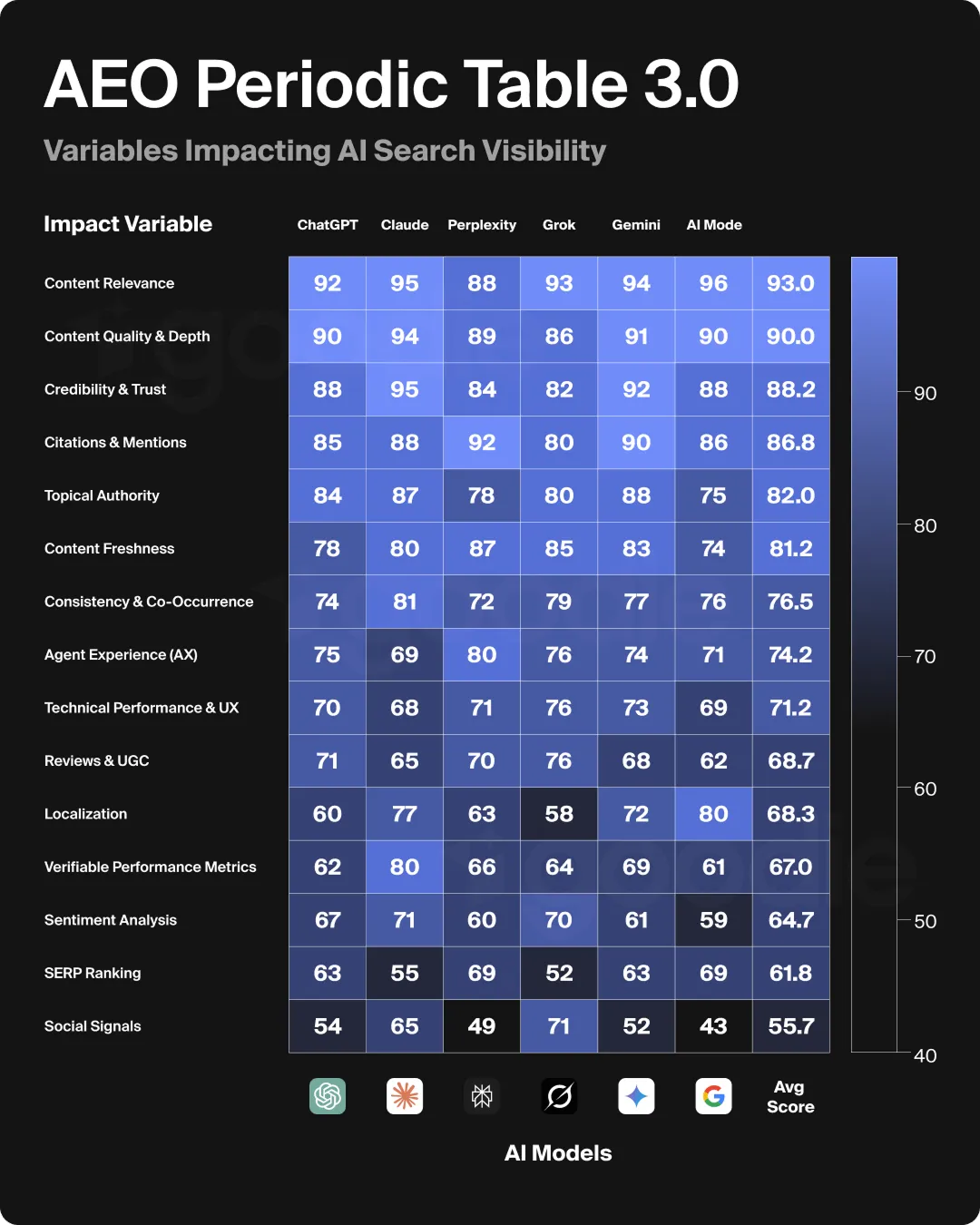
- Treating SEO as a separate channel. The brands winning right now are the ones where SEO, PR, content, and social all talk to each other. You can read our article on that, but we’ll also talk about why in a moment.
What’s very much not dead? Technical SEO, structured data, H-E-E-A-T signals, topical authority, local SEO, and the fundamentals of making content that AI systems can actually parse and cite.
Is SEO Being Replaced by AI?
This is where the conversation gets interesting, and where a lot of takes go wrong in both directions.
AI isn’t replacing SEO. It’s changing what SEO has to optimize for.
The traditional model was simple: rank on Page One, get traffic. That chain still works… it just breaks more often now, because AI Overviews, Featured Snippets, and Knowledge Panels are absorbing value before users ever scroll to organic results.
What’s emerging is what some are calling “search everywhere optimization.” The idea is that search behavior itself has fragmented. Your audience is looking for answers on Google, yes, but also on AI search engines like ChatGPT, Perplexity, and Claude, as well as social forums like Reddit, TikTok, YouTube, and LinkedIn.
Here’s where the research gets specific in a way that should change how you allocate budget. In an analysis of 58.6 million AI citations across ChatGPT, Gemini, Claude, and Perplexity (October 2025 through March 2026), we found that roughly 74% of the most-cited domains in AI answers are ones where marketing activity can directly affect citation share. That includes social platforms, review sites, community forums, and earned media. Your owned website is in the mix, but it’s the smallest slice.
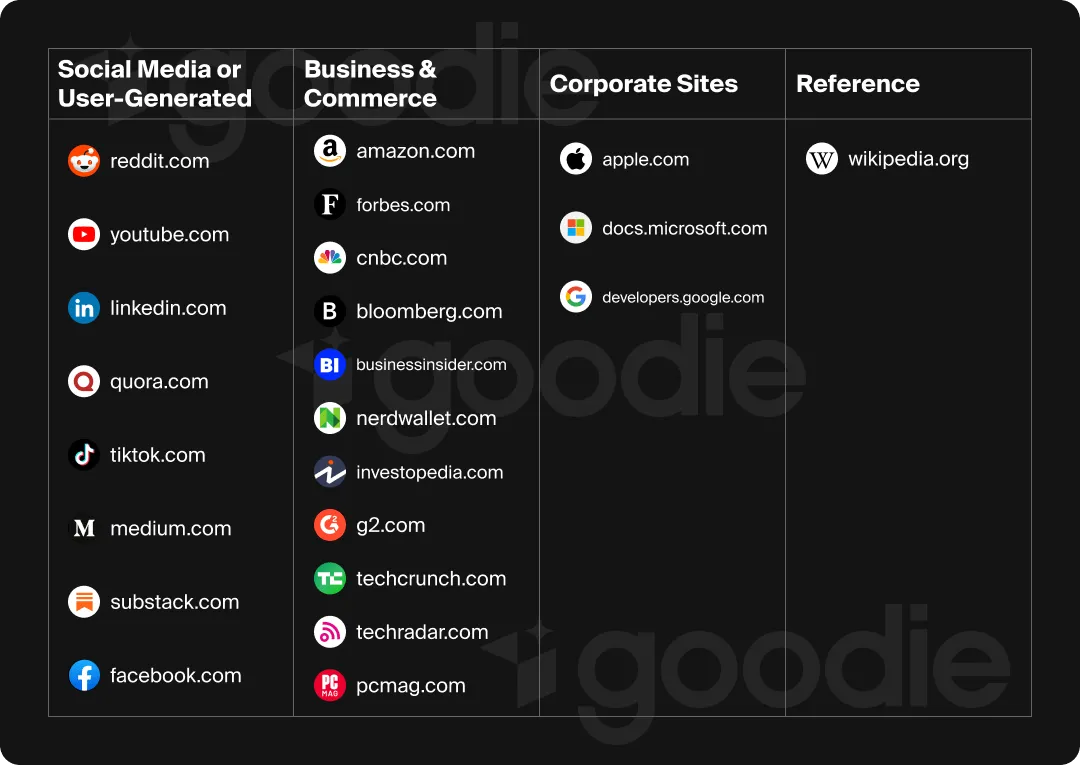
The implication is uncomfortable for anyone who’s been treating social as a brand awareness play: social citations in AI answers are growing at 3.8x the rate of overall citations, and by November 2025, social content was generating 4.17x more AI citations than brand-owned content. If you’re pouring all your AEO resources into website optimization, you’re fighting over the smallest piece of the pie.
A note for brands and stakeholders: don’t abandon SEO. Rather, extend it into a unified system: traditional technical SEO plus AI citation optimization plus social presence on the platforms where LLMs actually go to learn.
Are SEO Jobs at Risk Because of AI?
Honest answer: some are, most aren’t, and the ones that are… well, they were probably already at risk.
A Semrush analysis of 3,900 SEO job listings from 2025 found that 59% of open roles are now senior-level positions. Companies are shifting budget toward strategy as AI tools absorb more execution work. Keyword research, metadata generation, site auditing, reporting: these are heavily automated now. Entry-level execution roles that were built around these tasks face real pressure.
But more senior SEO strategists who understand entity authority, AI citation optimization, structured data, and how to connect search performance to revenue? They’re more in demand, not less. The highest-paying SEO roles (the $250,000-$300,000 range in the Semrush data) are actually more likely to require AI skills.
To summarize: the role is evolving from keyword technician to search ecosystem strategist. That’s not a comfortable transition for everyone, sure, but it’s nowhere near extinction.
The honest version of this is that AI is an amplifier. It makes good SEO practitioners more efficient (and bad ones more obviously replaceable). If your value as an SEO is executing tasks that a tool can now do in seconds, that’s the real problem. If your value is strategy, synthesis, and genuine understanding of how audiences find information, you’re more valuable now than you were three years ago.
What Should Replace SEO in My Strategy?
If you’ve read this far, you should know what we’re about to say here. Nothing. SEO doesn’t need to be replaced. It needs to be expanded.
The most useful reframe is “search everywhere optimization.” Instead of optimizing purely for Google rankings, you’re optimizing for visibility wherever your audience is searching for information related to what you do. That includes:
- Traditional SEO. Still essential. Technical foundations, topical authority, H-E-E-A-T signals, local optimization. None of this goes away.
- Answer Engine Optimization (AEO). Structuring content so it gets cited inside AI Overviews, ChatGPT, Perplexity, and other AI-powered search tools. This means clear, direct answers to specific questions, structured data, and building the kind of authoritative digital footprint that AI systems trust.
- Generative Engine Optimization (GEO). Early adopters of GEO are reporting up to 527% year-over-year growth in AI-driven search traffic. This is still a new discipline, but the brands building for it now are accumulating a compounding advantage.
- Platform presence. Reddit, LinkedIn, YouTube, and industry-specific communities are where LLMs go to learn. If your brand has zero presence on the platforms that AI systems cite, you’re invisible in a growing share of the search ecosystem.
- Original research and proprietary data. This is the single highest-leverage content investment right now. When you publish original surveys, case studies, or data, you become the primary source. Other sites cite you, AI cites you, and your brand gets mentioned even when users don’t click through. It’s brand building through content, which is exactly what good SEO always should have been.
So, yes, you still need to do SEO in 2026. It’s just that now, you need to make sure that you’re optimizing for the things that the evolved search ecosystem rewards.
The Last Will & Testament of SEO… Or Is It?
Jokes aside, SEO isn’t dying. It’s simply getting harder to fake.
- The brands that aren’t doing so hot right now built their visibility on shortcuts: thin content, keyword volume, and the assumption that ranking on page one was enough. AI didn’t create that problem. It just made it impossible to ignore.
- The brands that are doing well, though, are treating search as a system, not a channel. Traditional SEO, AI optimization, social presence, original research, all feeding into each other, all measured together. It sounds like a bigger workload, but it’s just a smarter one.
If you’re reading this trying to figure out whether SEO is worth investing in, the answer is yes. One million times yes. But only the version that was always worth doing: building genuine authority, creating content that earns citations, and showing up wherever your audience is looking for answers.
And if you’ve been in the space for a while like we have, you know that that’s not new advice. It’s just finally the only advice that works.
Is SEO Dead? FAQ
Significantly, but unevenly. AI Overviews now appear on roughly 25% of all Google searches and reach 2 billion monthly users. Organic CTR at position one drops 34.5% when an Overview is present. But here’s the nuance: brands cited inside AI Overviews see a CTR lift over uncited brands on the same queries. Getting cited now matters more than ranking first. The question has shifted from, “can I rank for this?” to, “can I become the source AI uses to answer this?”
Yes. Commercial and transactional queries, “best [service] near me,” “[brand] vs [competitor],” “[how much does X cost],” still drive clicks because users actually want to visit a site to make a decision. AI Overviews are far less dominant on those than on purely informational queries.
Local SEO in particular is holding up well: Google Business Profile, local citations, and review signals still matter enormously. If you’re a small business doing SEO right, the landscape hasn’t changed as dramatically as the headlines suggest.
Yes. Google still controls roughly 90% of global search traffic. The SEO market is projected to reach $171 billion by 2030. The investment case for search visibility hasn’t collapsed; the tactics required to achieve it have just gotten more demanding.
No, but it killed the lazy version of it. Generic informational content, low-quality link schemes, and keyword-stuffed pages are genuinely not viable anymore. High-quality, citable, genuinely expert content is performing better than ever.
The fundamentals (technical optimization, quality content, E-E-A-T, topical authority), are all very much alive. What’s dead is the specific version that treated SEO as a volume game: more content, more keywords, more links, without caring about whether any of it was actually good.
No, but AI-generated content slop is making it harder for good content to stand out. The paradox is that AI has flooded the web with generic content, which makes original, experience-driven, genuinely differentiated content scarcer and more valuable. The death of lazy content marketing is real. The death of actual content marketing is not.
The biggest shifts: AI Overviews now appear on roughly 25% of searches (up from 13% a year ago), zero-click behavior is at 60% broadly and 77% on mobile, AI referral traffic grew 527% year-over-year from a small base, and the search ecosystem has genuinely fragmented across Google, ChatGPT, Perplexity, Reddit, and YouTube. Success metrics have shifted from rankings and traffic to visibility, citations, and multi-surface presence.