.svg)
Get a Demo
Interested in trying Goodie? fill out this form and we'll be in touch with you.
Oops! Something went wrong while submitting the form.


.svg)
.svg)


Search has changed. When someone asks Google a question now, they often see an AI summary before they’re even served any blue links. ChatGPT, Perplexity, and Claude answer millions of queries that previously drove traffic to websites. Your content might be excellent, but if AI systems can't parse, trust, and cite it, you're losing visibility where it matters most.
This guide shows you exactly how to write content that generative AI selects as source material. We're covering the concrete changes that get your articles quoted in AI Overviews, referenced in ChatGPT responses, and surfaced in answer engines.
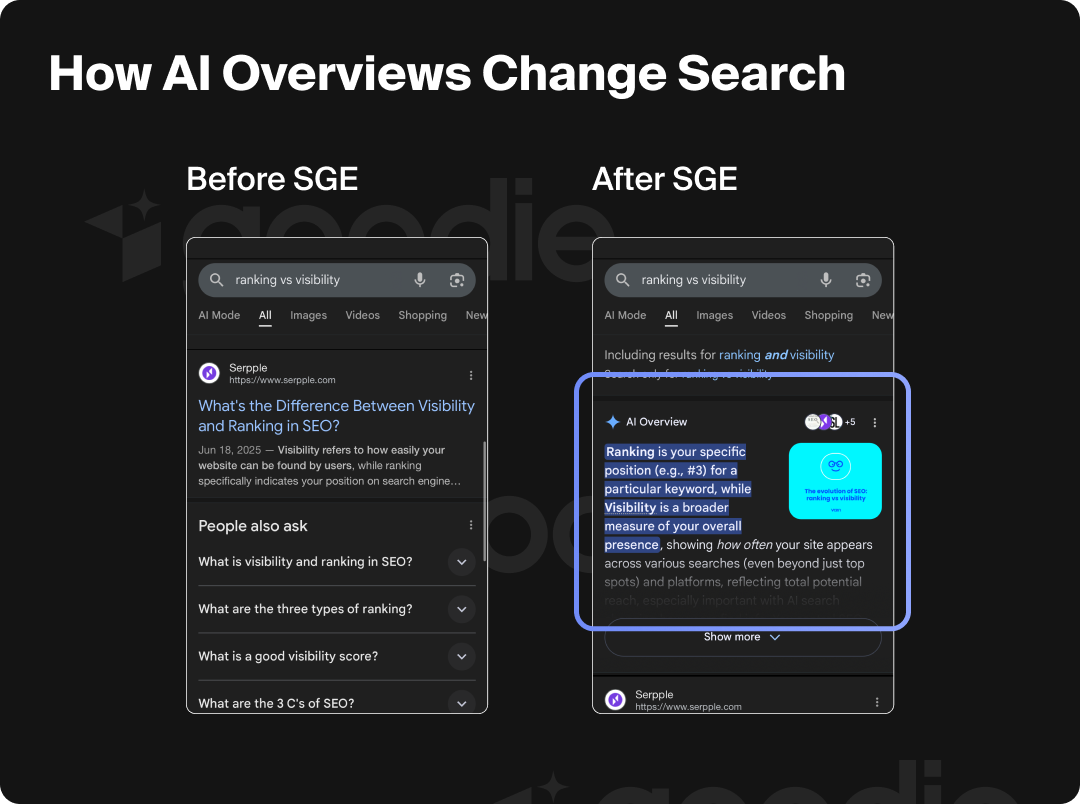
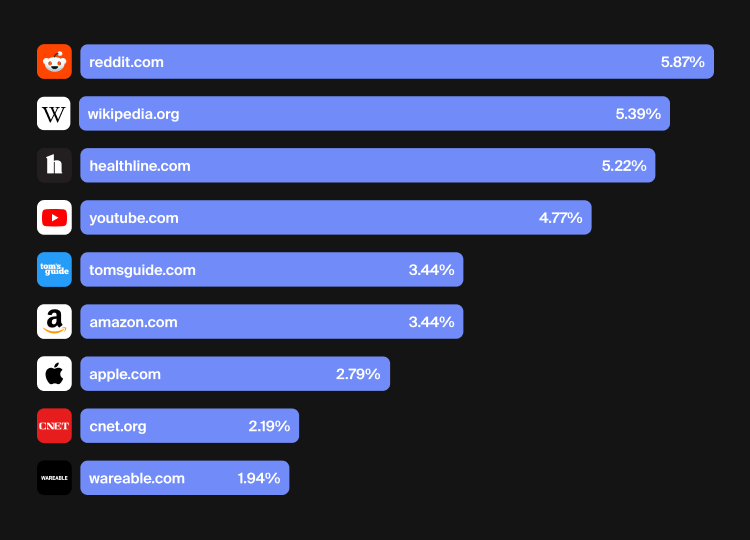
Content that works for AI serves two audiences at once: human readers who want clear answers, and AI systems that need to extract, understand, and cite information reliably.
When Google's AI Overview pulls your content, or when ChatGPT references your article, that system has scanned your page in seconds. It identified the relevant section, verified your authority signals, and determined your answer matches the query intent. Content that makes this process easy is the content that wins.
The technical term for optimizing content for generative engines is GEO (Generative Engine Optimization). Traditional SEO focuses on ranking in search results. GEO focuses on getting selected as the source AI systems quote when generating answers, according to research from Foundation Inc on generative engine optimization.
Studies from GEO BENCH show that content optimized with citations, statistics, and authoritative sources sees 40%+ higher visibility in AI answers compared to unoptimized baselines. The gap between optimized and ignored content keeps growing.
Most content published before 2024 was written for human readers who would scroll through an entire article. AI systems don't scroll. They chunk.
When an AI model processes your content, it breaks your article into discrete pieces based on headings, paragraphs, and semantic boundaries. If your main point sits buried in paragraph seven, or if your headings fail to signal what's in each section clearly, the AI might extract wrong information or skip your content entirely.
.png)
Place the direct answer to your section's question in the first sentence or two. AI systems prioritize information appearing early in a content chunk, notes Luminary's practical guide to writing for AI systems. Let’s look at an example:
Before: "Many factors influence solar panel efficiency. Weather conditions play a role, as do installation angles and local climate patterns. Generally speaking, most residential panels convert between 15 and 20% of sunlight into electricity."
After: "Most residential solar panels convert 15 to 20% of sunlight into electricity. This efficiency rate varies based on installation angle, local weather patterns, and regional climate conditions."
The second version gives AI systems the fact they need immediately, with supporting context following naturally.
Your headings should explicitly state what the section covers, according to BizStream's guide on AI content best practices. Generic headings like "Overview" or "Key Considerations" tell AI systems nothing about content.
Examples of weak headings:
Examples of strong headings:
Strong versions contain the actual query someone would ask, making it clear when this section should be extracted as an answer.
Shorter paragraphs create cleaner boundaries for AI systems to extract information. They also improve readability for humans scanning on mobile devices.
Break up any paragraph containing multiple distinct points. Each mini paragraph should focus on one idea, fact, or argument.
This approach mirrors how technical documentation gets written. Technical docs get quoted by AI assistants constantly because they're structured for precise information retrieval.
FAQ sections are perfect for AI extraction. Each question and answer pair forms a self contained unit that maps directly to how people query AI systems.
Source your FAQ questions from:
Format them with clear schema markup (FAQ schema) so AI systems and search engines can parse them programmatically.
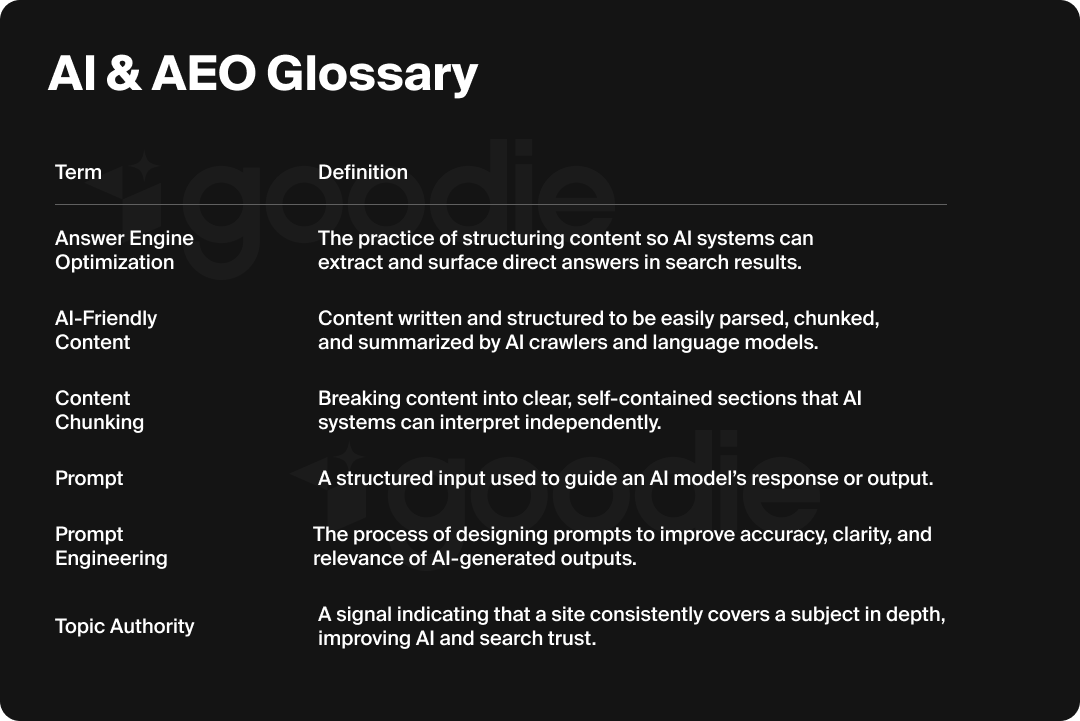
AI systems get confused when you switch between near synonyms. Calling something a "client dashboard" in one section and "user portal" in another makes models treat these as different features.
Create a simple glossary of your key terms and stick to those exact phrases. This applies especially to:
Consistency helps AI systems build accurate connections between different sections of your content and different articles on your site.
When content gets extracted in pieces, pronouns lose their referents. "It offers advanced analytics" becomes meaningless if the previous sentence naming the product isn't included.
Repeat the specific noun when starting a new paragraph or section, even if it feels slightly redundant to human readers. AI systems pulling one paragraph in isolation need that context.
Before: "Our platform integrates with Salesforce. It syncs contact data automatically. Users can also map custom fields if they need additional flexibility."
After: "Our platform integrates with Salesforce. The integration syncs contact data automatically. Users can map custom fields within the Salesforce integration for additional flexibility."
Generative engines strongly prefer content including specific statistics, research findings, and citations to authoritative sources, according to Search Engine Land's analysis of AI Overviews. Vague claims get ignored.
Weak example: "Most businesses see positive results from email marketing."
Strong example: "Email marketing generates an average ROI of $36 for every $1 spent, according to Litmus's 2024 State of Email report."
When you reference data:
Government sites (.gov), academic institutions (.edu), and established research organizations carry the most weight as citations.
AI systems factor content freshness into source selection. Articles that look outdated or lack clear publication signals lose points.
Add clear date stamps:
Update genuinely outdated content or mark it as archived. Don't try to game freshness by changing dates without updating information. AI systems cross reference claims against other sources and can detect stale data with fresh timestamps.
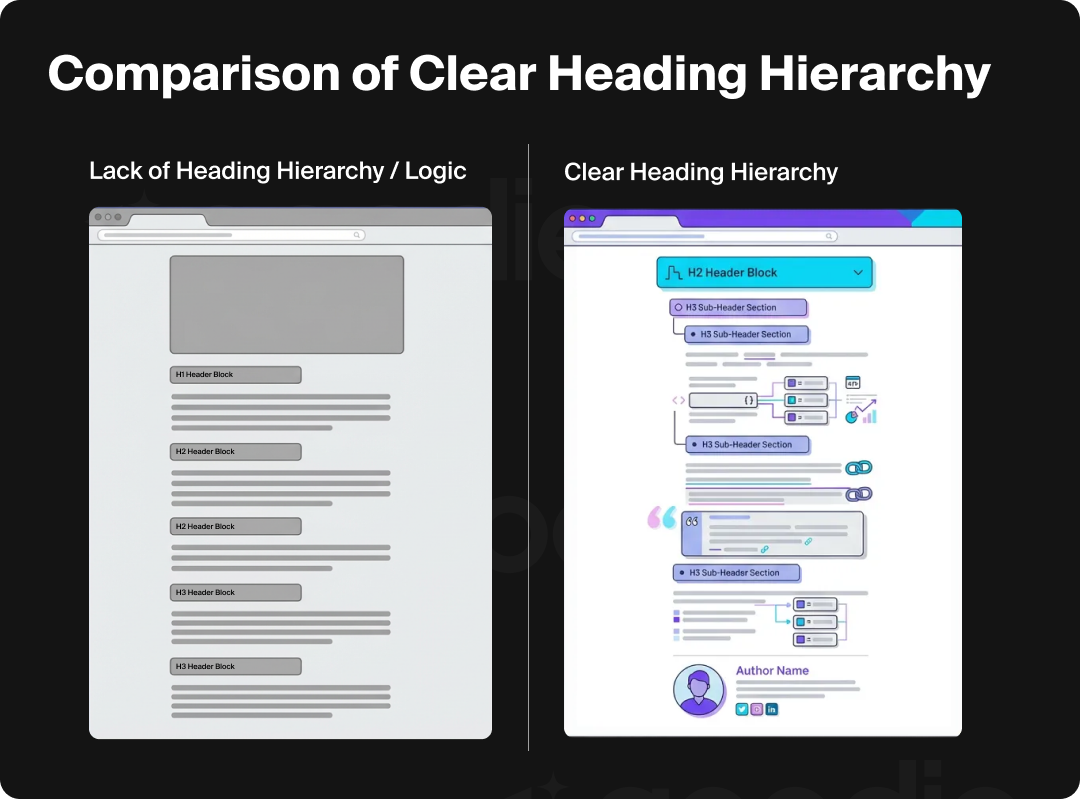
Use H1 for your title, H2 for main sections, H3 for subsections under those, and so on. Never skip levels (going from H2 to H4, for example).
Proper hierarchy helps AI systems understand the relationship between sections and extract the right level of detail for a given query.
Your heading structure should form a logical outline:
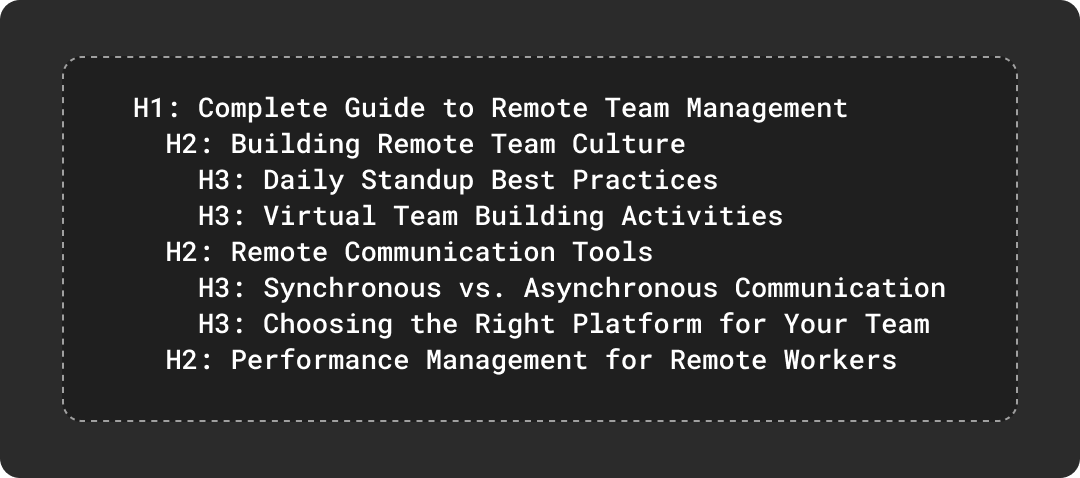
This tree structure tells AI systems exactly how your content is organized and where to look for specific subtopics.
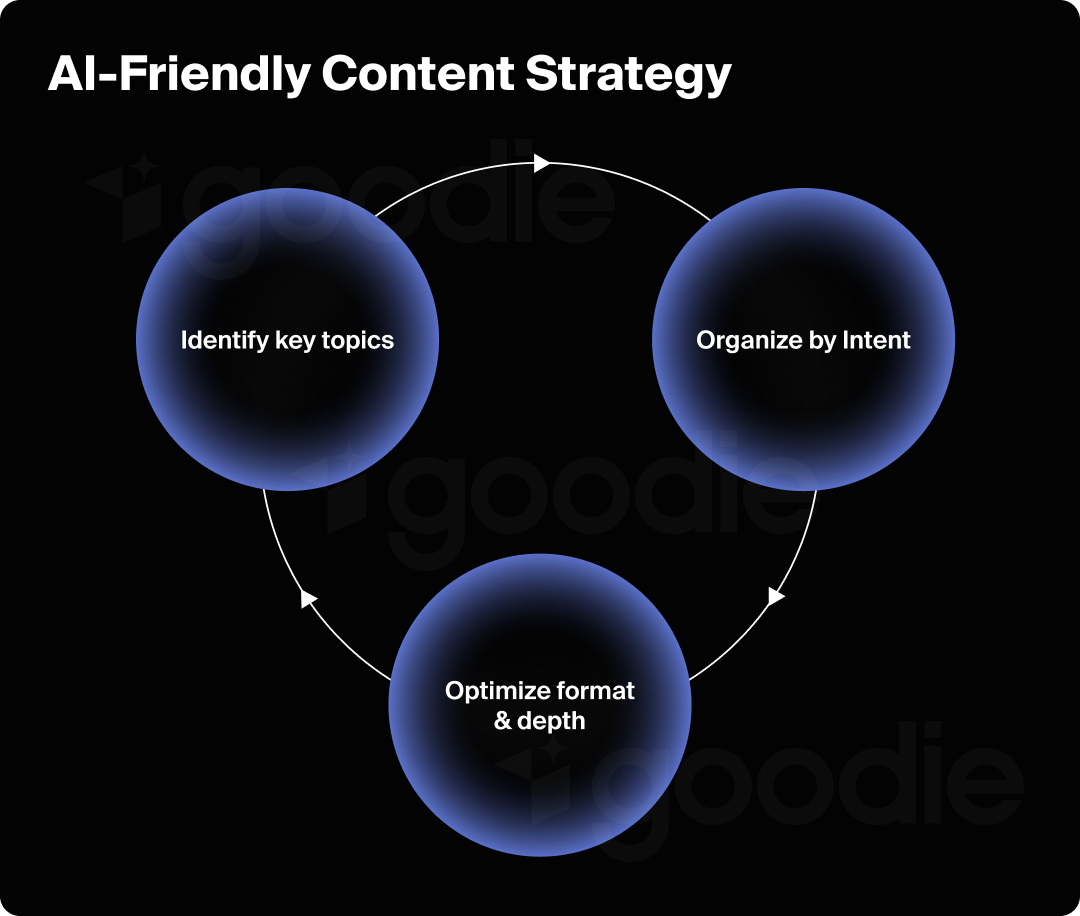
Content changes alone won't maximize your AI visibility; technical factors matter, too.
Implement structured data for your content type. Article schema, FAQ schema, How To schema, and Product schema all help AI systems understand what your content is and how to use it. Google's Structured Data Markup Helper makes this accessible even if you're not technical.
Slow pages get crawled less frequently and may be deprioritized by AI systems. Aim for a Lighthouse performance score above 90.
Training data for AI systems includes massive amounts of mobile content, explains Progress Software's guide on AI content. If your site is unusable on mobile, you're teaching AI to skip you.
This emerging standard lets you specify which content on your site should be prioritized for AI training and extraction. Think of it as robots.txt but for AI systems.
Outbound links to high quality, relevant sources improve your content's trustworthiness signals. Link freely to .gov, .edu, and industry-leading sites that support your points.
Google's AI Overviews and other AI systems prioritize content demonstrating Experience, Expertise, Authoritativeness, and Trustworthiness, according to Google's official guidance on succeeding in AI search.
Show you've done what you're writing about. Include specific examples, case studies from your work, original research, or firsthand observations. Generic advice gets ignored.
What to include:
Clearly establish author credentials. Add author bios specifying relevant background, include bylines, link to author profiles with their work history.
Ways to demonstrate expertise:
Build topical authority by covering subjects comprehensively through multiple interlinked articles. One brilliant article in isolation carries less weight than a cluster of good articles showing depth across a topic.
How to build authority:
Transparent practices signal trust. Disclose when content uses AI assistance, cite sources properly, correct errors publicly when they happen, provide contact information, maintain accurate author information.
Trust signals to include:
Content lacking clear E E A T signals might still rank in traditional search, but AI systems are much more conservative about selecting sources. They default to content where expertise and trustworthiness are obvious.
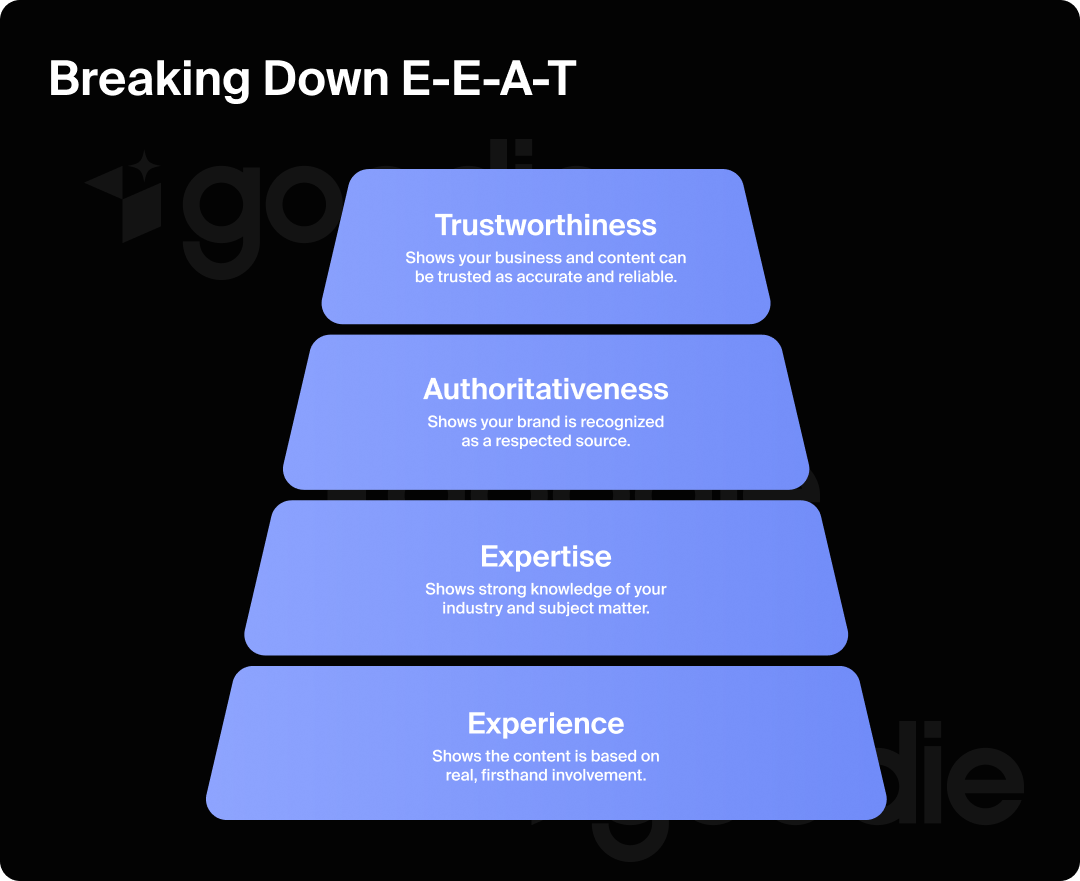
Start with research and planning before you write anything.
This process takes longer than throwing words at a page, but you end up with content serving both human readers and AI systems effectively.
You can use AI tools to help create content, but follow the 30% rule: at minimum, 30% of the final work should be human, edited, or enhanced, explains Coco Coders' analysis of the 30% rule in AI content creation.
Tasks AI handles well:
Tasks humans must handle:
The workflow that works: brain dump your knowledge and key points, have AI structure it and fill gaps, then heavily edit to add your expertise, verify facts, and inject your perspective, according to Stellar Content's guide on AI writing.
Raw AI output sounds generic because the model has no specific expertise or experience to draw from. Your job is to ground the content in actual knowledge and real examples that only you have.
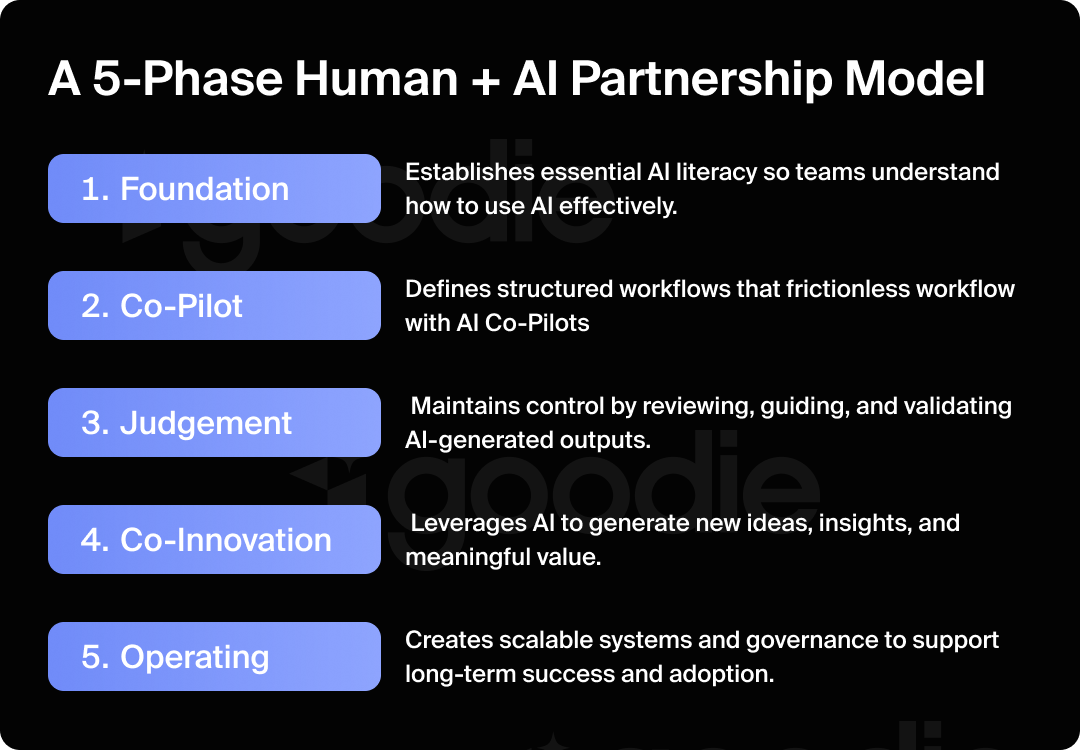
You probably have existing content needing updates for AI visibility. Audit your top-performing pages first since they already have authority and traffic.
Checklist for each article:
Fix the biggest gaps first. Adding an FAQ section and front-loading answers typically deliver the fastest wins.
Update publication dates only when you've updated the content. Change "2023" in titles to "2024" or "2025" and refresh any outdated statistics or examples.
AI systems detect unnatural repetition and keyword cramming. They penalize it more harshly than traditional search algorithms. Modern AI search relies on NLP and deeper contextual understanding, so keyword stuffing and manipulative SEO tactics are ineffective or harmful.
If users have to scroll past 3 screens of introduction to find the actual answer, AI systems won't extract your content. Hook and context are fine, but put core answers early.
Don't mark up content as something it isn't. FAQ schema should only go on actual FAQs. Avoid trying to game the system with false schema. AI systems cross reference markup against actual content.
Your content might look great on desktop but be unreadable on phone screens where most queries happen. Longer, more conversational queries (8+ words) are much more likely to trigger AI Overviews, and these queries typically come from mobile devices.
The goal is clarity serving both audiences. If your content sounds robotic or lacks personality, you've gone too far. Google still values people first, high quality, expert content for AI Overviews, not content written "for AI".
GEO changes how you think about content success. Traditional SEO measures rankings and organic traffic. GEO adds a new metric: citation and source selection frequency in AI answers.
Metrics you need to track:
Some traffic will shift away from direct site visits to AI discovery. Brand recognition and trust become the conversion path. Users see your content cited by AI, remember your brand, and come directly to you later when they're ready to buy or engage.
Focus on becoming the authoritative source in your niche that AI systems consistently reference. This requires publishing comprehensive, interlinked content demonstrating deep expertise across your topic area.
Content cluster strategy:
Single articles matter less than content clusters covering a subject from multiple angles. When AI systems see you've published definitive guides, comparison articles, how-to content, and problem-solving resources all within one topic, they treat you as a domain authority.
Making content work for AI means making it clearer, more structured, and more useful for everyone. These changes improve human readability at the same time they improve AI parseability.
You're not writing worse content to please AI systems. You're writing better content that both humans and machines can use effectively.
Content that wins in AI search is content that answers questions directly, demonstrates genuine expertise, and presents information in logical, scannable structures.
Good content has always looked like this. AI systems simply raise the stakes for content failing these basic quality standards.
.svg)
.svg)

.svg)

.svg)