You’ve probably noticed it by now. Type a question into Google, and before you even get to the traditional blue links, there’s already an answer waiting for you. Complete, formatted, and sometimes pulling from three or four different sources. These AI Overviews have changed how people find information online.
And here’s the uncomfortable truth: your competitors are showing up in these AI answers while your website remains invisible.
There’s a reason for this. The websites appearing in AI search results are doing specific things differently, and once you understand what those things are, you can start showing up, too.
Let’s break down what’s happening and what you need to do about it.
What Changed in Search & Why It Matters
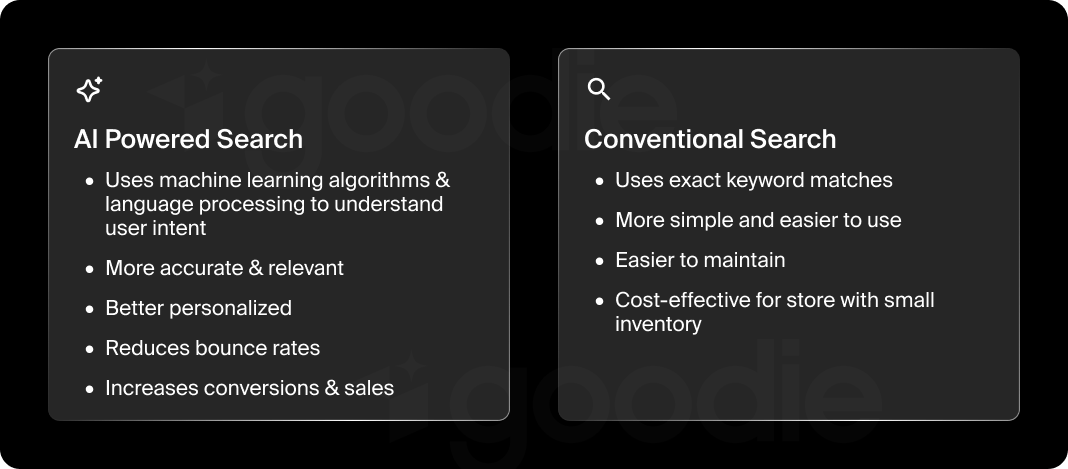
Google’s search experience got a major overhaul when they integrated their Gemini language model into search results. Instead of just matching keywords to web pages, Google can now understand complex, multi-step questions and pull together comprehensive answers from multiple sources.
Someone can ask something like “find the best yoga or pilates studios in Boston and show me details on their intro offers, and walking time from Beacon Hill,” and Google’s AI will work through that request step by step. It handles the geography, compares services, checks pricing, and does distance calculations all at once.
For users, this is convenient. For website owners watching their traffic reports, it’s often terrifying.
The search landscape has split into two distinct experiences. There are the traditional search results everyone knows, and then there’s this new layer where AI synthesizes information and serves it up immediately. Both exist at the same time, but the AI layer often gets prime real estate at the top of the page.
The system uses multimodal capabilities, meaning it can process and understand text, images, and even video content. Google has expanded this with features like Circle to Search and the ability to upload videos for analysis, making the search experience more interactive and comprehensive.

Why Am I Getting AI Search Results?
You’re seeing AI search results because Google determined that your query would benefit from a comprehensive, synthesized answer. The system looks at the question you asked and decides whether pulling information together into a single coherent response makes more sense than showing a traditional list of links.
These AI answers appear most often for informational queries, ones that used to require clicking through multiple websites to get a complete picture. Product comparisons, troubleshooting guides, explanations of complex topics, and local service searches all trigger AI Overviews.
Google rolls out these features strategically. They started in English for U.S. users and have been expanding to other languages and regions. If you’re seeing them more now than you were six months ago, that’s intentional. The system keeps learning and expanding its capabilities.
The feedback mechanisms built into these AI responses help Google improve them over time. Users can rate whether an AI Overview was helpful or report issues, which feeds back into the system and refines future responses.
There’s a web filter option that lets users opt out of AI Overviews, but these features are considered core to Google’s search experience moving forward. They’re becoming more prominent and sophisticated with each update.

So, How to Appear in AI Search Results?
Getting featured in AI Overviews requires content that answers questions in clear, accurate, and helpful ways. Google’s AI looks for substance.
Start by understanding what triggers these AI responses. Google tends to generate AI Overviews for queries where a synthesized answer adds real value: complex questions, comparisons, how-to requests, or topics that benefit from pulling information from multiple perspectives.
Your content needs to match user intent. Someone asking “how to” wants a walkthrough. Someone comparing options wants clear distinctions. The AI models can recognize when content delivers on what the searcher wants versus when you’ve stuffed it with keywords hoping to rank.
Structure matters. The websites appearing in AI results organize their information logically. They use clear headings that address questions. They break complex topics into digestible sections. They answer the most important questions first, then provide supporting detail.
Think about how you’d explain something to a colleague who asked you a direct question. You wouldn’t bury the answer in the fifth paragraph after a lengthy introduction. You’d give them the answer, then explain the context. That’s how your content should work.
Structured data markup has become critical. This is the code that tells search engines what your content is about through explicit labels and categorization rather than just the words on the page. FAQ schema, How To schema, and other structured data types give AI systems a clear roadmap to your content.
Many websites skip this step because it requires some technical implementation. That’s why they’re not appearing in AI results. The sites that implement proper schema markup give themselves an advantage.

The Content Format That Wins
Research shows that FAQ sections and HowTo schema are now critical for triggering inclusion in AI Overviews. This means addressing the real questions your audience has and formatting those answers in a way that AI systems can parse and cite.
Your FAQ content should be concise but complete. Answer the question in a few sentences. Provide enough context that someone reading just that answer would understand the topic, but don’t ramble into tangential information.
The same principles apply whether you’re optimizing for Google’s AI Overviews or Microsoft’s Bing Copilot. Both systems look for relevance, authority, structured data, and clear handling of user intent. Content hubs with comprehensive topical coverage increase your visibility across both platforms.
Off-page signals still carry weight. Links from other reputable websites, brand mentions across the web, and general domain authority all factor into whether AI systems consider your site a credible source worth citing.

Target the Right Queries
Top of the Funnel
Focus on top-of-funnel queries with clear, direct answers. AI Overviews appear most often for informational searches rather than transactional ones. Someone searching “buy running shoes” will see product listings and ads. Someone searching “how to choose running shoes for flat feet” will see an AI Overview, and that’s your opportunity.
Writing Clarity
Prioritize clarity in your writing. Some websites try to be creative with their language or bury their expertise in lengthy explanations. The content appearing in AI results tends to be straightforward, well-organized, and gets to the point without sacrificing completeness.
FAQs
Your FAQ sections deserve attention. Questions and answers formatted with proper schema markup work well with AI search systems. These sections should address real questions your audience asks rather than keyword-stuffed variations of the same query.
Long-Tail Keywords
Long-tail keywords become more valuable in this environment. Someone asking a specific, detailed question is the kind of query that triggers AI Overviews. Content that addresses these specific questions has a better chance of being featured than content targeting broad, competitive head terms.
Google’s AI Mode takes this further by using query fan-out to issue multiple simultaneous queries on a topic. This means there are more opportunities for your content to be discovered and cited, as long as you create comprehensive and well-structured material.

The Technical Foundation That Nobody Wants to Talk About
The websites appearing in AI results have done the technical work that most sites skip.
Structured data markup has moved from optional to essential. JSON-LD schema for articles, FAQs, “how to” guides, products, local businesses, and other content types gives AI systems explicit information about your content. This helps communicate what your content covers and how you’ve organized it.
Site Architecture
AI systems crawl and understand websites just like traditional search engines do, but they’re also looking for patterns in how information is organized. Logical hierarchy, clear navigation, and well-implemented internal linking all contribute to how AI can process and cite your content.
Core Web Vitals
Page speed, for example, affects how crawlers index your site. Slow sites get crawled less often, which means your updates take longer to appear in search results of any kind.
Monitor your site’s performance in Google Search Console. Look at which queries trigger impressions, which pages get clicked, and where you’re showing up in search results. This data tells you where you have opportunities to optimize for better AI visibility.
Mobile Optimization
Mobile optimization matters more than ever. More searches happen on mobile devices than desktops, and Google’s systems prioritize mobile-friendly content. If your site doesn’t work well on phones, you’re invisible to a huge portion of potential visibility in AI search.

Optimizing Content for AI Visibility
- Start with an honest assessment of your current content. Pull up your top-performing pages and read them like you’re seeing them for the first time. Do they answer questions clearly? Or do they meander through introductions and background before getting to the point?
- Look at your competitors who are appearing in AI Overviews. What format are they using? How are they structuring their information? What schema markup have they implemented? You’re not copying them, but you’re learning from what works.
- Identify the top 10 to 20 questions your audience asks most often. These become your priority for optimization. Create or update content that answers these questions thoroughly, format it clearly, and implement the appropriate schema markup.
- Check your technical foundation. If you haven’t implemented structured data, start there. If your site is slow or doesn’t work well on mobile, fix those issues before worrying about content optimization. The technical basics have to be solid for anything else to matter.
- Monitor your progress in Search Console and through regular searches for your target queries. Are you starting to appear in AI Overviews? Are your impressions increasing for informational queries? Track these metrics over time to see what works.

The Bottom Line
Your competitors are appearing in AI search results because they’ve adapted to how search works now. They’ve done the work to make their content clear, authoritative, and technically accessible to AI systems.
You can do the same thing. The strategies for appearing in AI Overviews are straightforward and based on creating helpful content. Implement proper schema markup. Write clear, direct answers to real questions. Build authority through comprehensive coverage and quality backlinks. Keep your content fresh and accurate.
The websites that figure this out early will have an advantage as AI search continues to expand. The ones that keep waiting for things to go back to normal will keep watching their competitors collect the traffic that used to be theirs.
Which group do you want to be in?